At its meeting in January, the WRRB supported proposed national listings for three wildlife species under the federal Species at Risk Act. The Gypsy Cuckoo Bumblebee has been assessed as Endangered, and Wolverine and Wood Bison have each been assessed as species of Special Concern. All three species are found in Wek’èezhìı. Once a species is added to the federal list, recovery planning begins. In the case of Endangered Species, a Recovery Strategy is developed, and in the case of species of Special Concern, a Management Plan is developed.
Gypsy Cuckoo Bumblebee
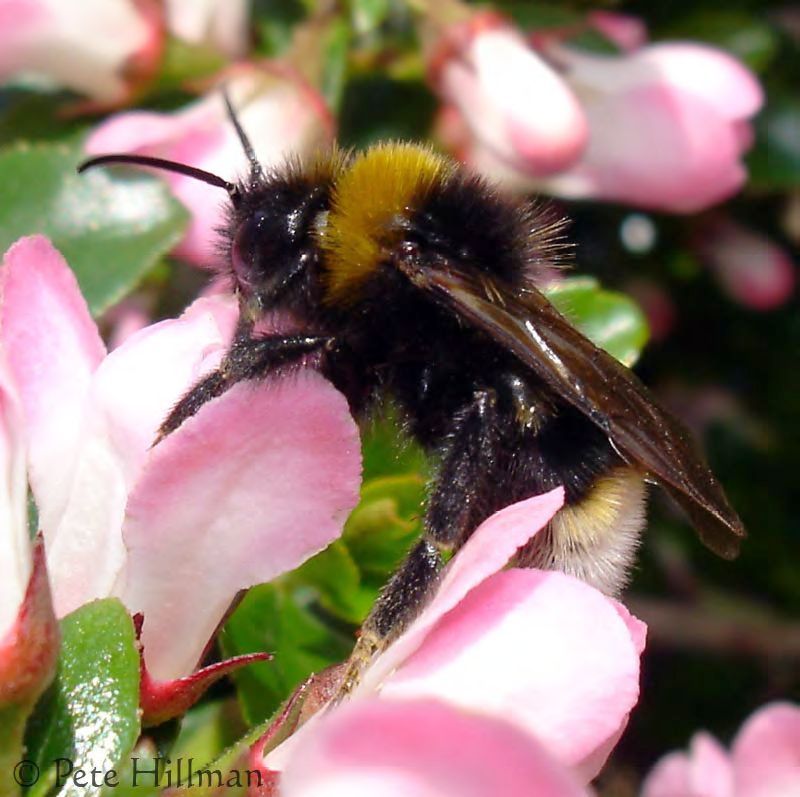
The curiously named Gypsy Cuckoo Bumblebee, recently assessed by the Committee on the Status of Endangered Wildlife in Canada (COSEWIC) as an Endangered species in Canada, comes by its name honestly. Cuckoo birds lay their eggs in other birds’ nests and let their “host” rear their young. Similarly, the Gypsy Cuckoo bumblebee, found in the western portion of Wek’èezhìı and elsewhere in the NWT, depends on host bee species and their workers to raise their young.
Declines in their populations have been noticed in the past 20-30 years and are likely driven by the cumulative effects of several threats including development of agricultural land and land use change, widespread pesticide use, declines in host species populations and climate change affecting host population’s habitat. Once the Gypsy Cuckoo Bumblebee is added to Schedule 1 of the Federal Species at Risk Act, a recovery strategy must be prepared with measures to deal with known threats and objectives to protect this species.
Fact Box--Gypsy Cuckoo Bumble Bee
- Gypsy Cuckoo Bumble Bees are found in a wide range of habitats, but they require host bumble bee nests. Host nests are typically underground in abandoned rodent burrows. Female Gypsy Cuckoo Bumble Bees probably overwinter in soil, mulch or rotting logs.
- The Gypsy Cuckoo Bumble forages for nectar from many different types of flowering plants that are close to wooded areas.
Wolverine
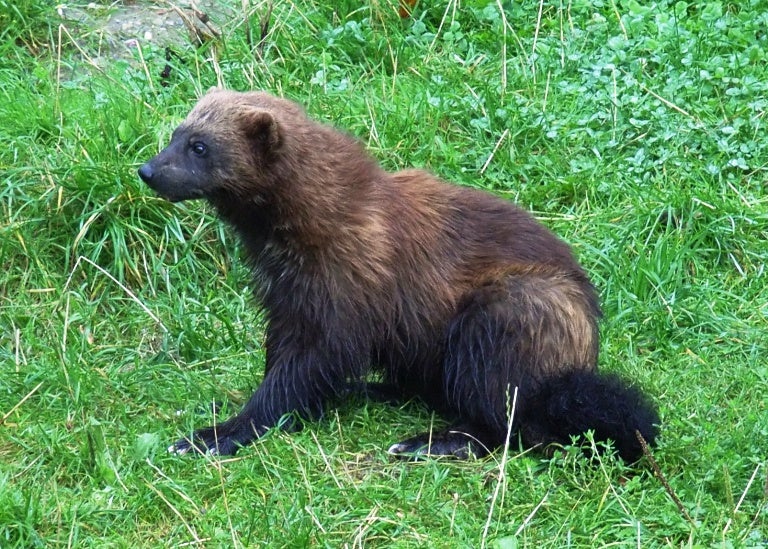
The wolverine is very adaptable. Found in both treed and treeless areas, it constructs its dens in many different types of places –along eskers, under logs, in snow tunnels, or among talus boulders, for example. Wolverines are also versatile predators and scavengers, taking advantage of a variety of food sources. Here in the North, they are widespread but sparsely distributed.
In southern Canada, however, they are facing challenges, many related to habitat loss or fragmentation. Wolverines need vast secure areas to thrive. They also need insulating snow cover that lasts until about April for their denning –and climate change is affecting the amount of snow and how long it stays. And with their low reproductive rates, wolverine populations can’t bounce back quickly. Wolverines have been assessed as species of Special Concern in Canada by COSEWIC.
Wood Bison
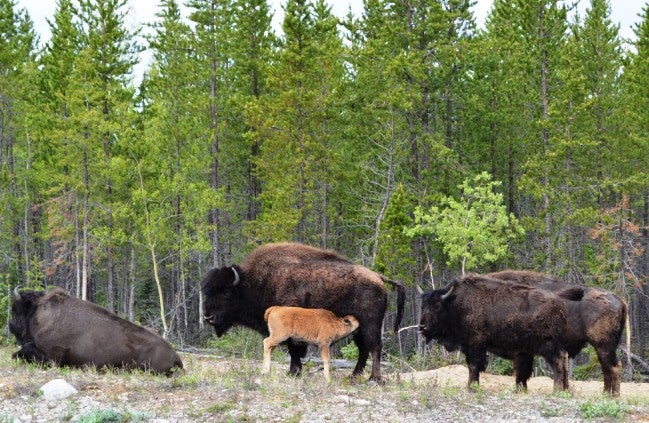
Wood Bison are currently listed as Threatened in Canada under the federal Species at Risk Act (SARA), but were re-assessed as a species of Special Concern in 2013 by COSEWIC. At its January Board meeting, the WRRB supported the proposed listing of Wood Bison as a species of Special Concern under the federal SARA. This means that the Board supported the change in the species at risk listing category for Wood Bison.
Mackenzie Wood Bison are found in the south corner of Wek’èezhìı. The herd decreased by approximately 53% due to an anthrax outbreak in the summer of 2012. The WRRB is reviewing the draft Recovery Strategy for Wood Bison and will provide its input to Environment Canada. A recovery strategy is a planning document that identifies what needs to be done to “recover” a species by stopping or reversing its decline.
WRRB Supports Management Plan Posting for the Short-eared Owl
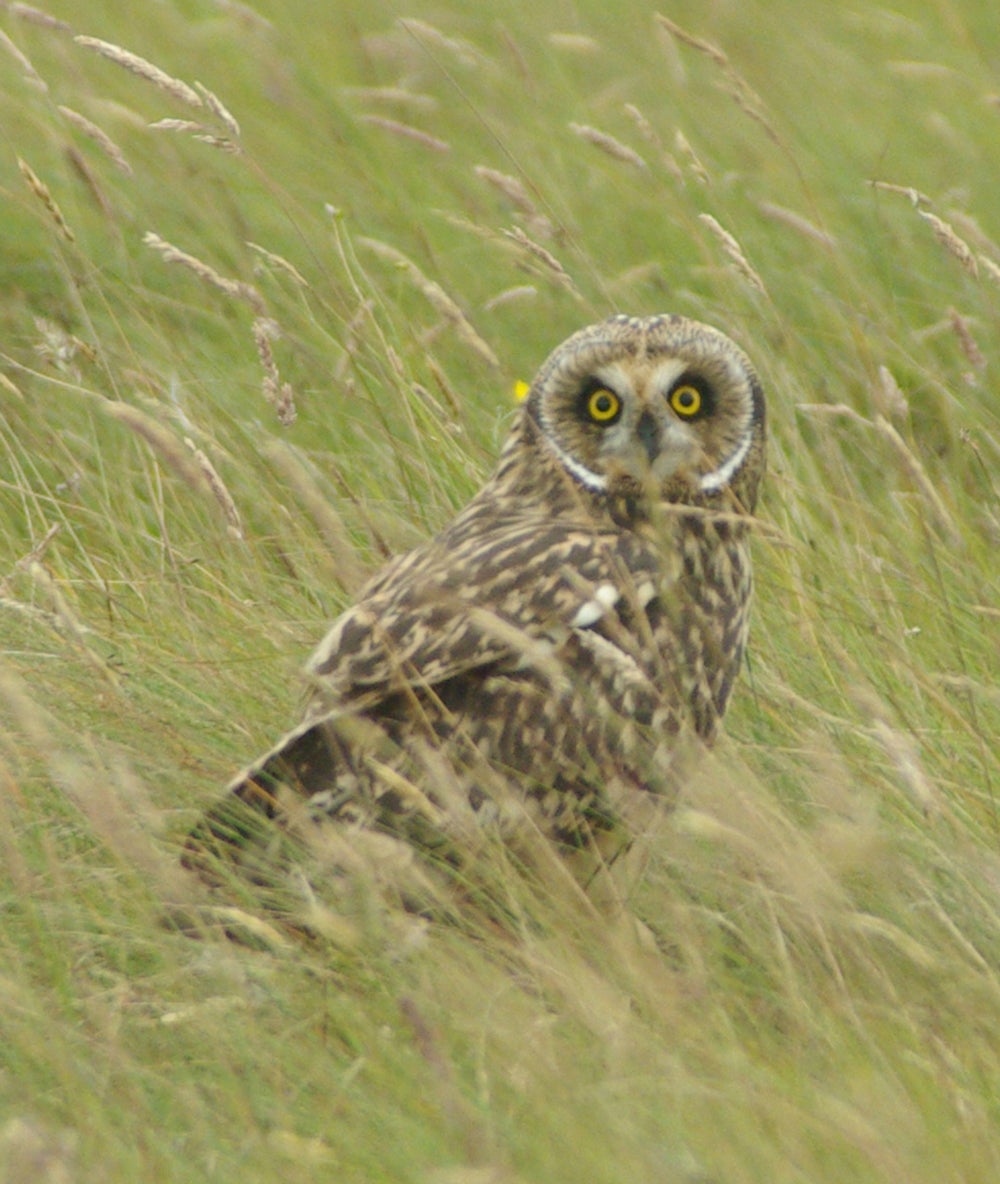
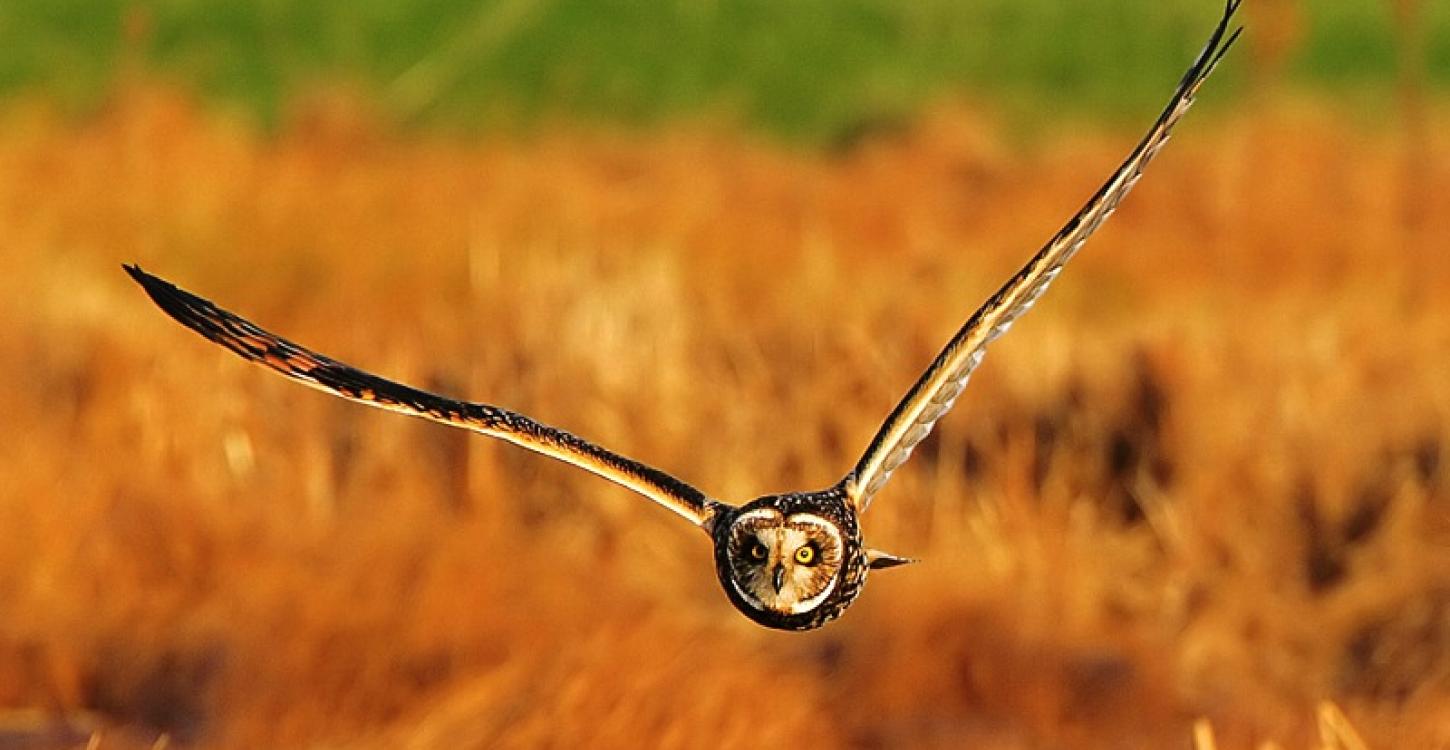
Short-eared owls, found in Wek’èezhìı and throughout parts of the NWT, are listed as species of Special Concern under Federal SARA. The WRRB passed a motion to support the posting of a management plan for the Short-eared owl to the Species at Risk Public Registry for a 60 day public comment period.
The Short-eared Owl is a nomadic bird, and most individuals in the species wander widely both seasonally and annually. The nomadic nature of the species makes it difficult to quantitatively assess population trend, but data suggest that that this owl has experienced a continuing population over the past 40 years, including a loss of 23% in the last decade alone. Suitable breeding, migration and wintering habitat has declined significantly over the years, resulting in a reduction in the number of owls.
Habitat loss and alteration of habitat, especially coastal marshes and grasslands on its wintering grounds, as well as grasslands of the Canadian Prairies and in southern Ontario, are the primary factors affecting Short-eared Owl populations. A decrease in the abundance of prey as a result of habitat changes –and continuing habitat loss and fragmentation on its breeding grounds in southern Canada --may also be contributing to the declining numbers of Short-eared Owls. Greater nest predation may also pose a threat to these owls. Agricultural practices can result in disturbance or destruction of nests, as well as reduced cover around the nest, making it more conspicuous to predators.
The Short-eared Owl makes use of a wide variety of open habitats, and are generally found in open country, often grasslands, tundra, or wetlands. In summer, Short-eared Owls are found on the tundra, but they have been seen near Yellowknife, suggesting that they also breed in some areas of the boreal forest as well as the tundra. Short-eared Owls migrate to the southern portions of their range in the winter, selecting wintering grounds with abundant prey and shelter. For nesting, they favour areas with tall vegetation to hide from predators – often in conifer forests that border fields.
Fact Box--Short-eared Owl
- The Short-eared Owl’s scientific name, Asio flammeus, describes its appearance very well. “Asio” refers to the group of “eared owls” –owls that have tufts of feathers resembling ears. “Flammeus”, Latin for “the colour of fire” is an apt label for its distinct yellow-orange eyes --exaggerated by black rings encircling each eye and large, whitish disks of plumage surrounding the eyes like a mask.
- Short-eared owls have a distinctive flight style, often described as “moth-like” and erratic.
- Northern populations migrate, and in winter are found as far south as southern Mexico.
- Their nests are unique among the owl family. While other owls typically take over the nests of hawks or crows, or nest in holes, female Short-eared Owls make a very simple nest by digging a small scrape in the ground and lining it with leaves, feathers or bits of grass. They prefer tall grasslands or tundra with areas of small willows for their nesting sites.
- Mammals are the Short-eared Owl’s main prey--voles are especially favoured. This owl hunts by flying low, less than 2 metres above the ground, into the wind, in search of prey. It may also hover briefly and then quickly dive to capture prey.