The 2014 Bluenose-East and Bathurst calving reconnaissance surveys recently occurred June 5-9th. Participants were stationed out of Kugluktuk, NU, with the Environment and Natural Resources, Government of the Northwest Territories (ENR GNWT)-led surveys involving collaboration with staff from the Government of Nunavut, Tłı̨chǫ Government, NWT Métis, Wek’èezhìı Renewable Resources Board, and Yellowknives Dene First Nation.
Calving reconnaissance surveys are one tool that biologists use to monitor barren-ground caribou herds. These surveys are less intensive and much less expensive than photographic population surveys. These surveys provide information on where a particular herd’s calving grounds are that year, and they provide an index of the numbers of caribou on the calving ground.
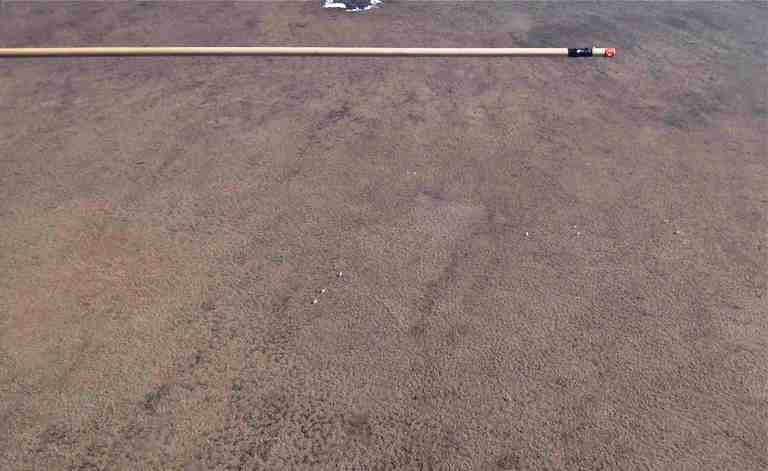
They are flown in June near the peak of calving using small planes that fly lines usually spaced 5 or 10 km apart. Observers record locations and numbers of caribou in a strip of 400m on either side of the plane, which flies at a fixed height (often 120m above ground).
It is also important to record whether the caribou are mostly cows and calves; usually the cow-calf groups take up most of the calving ground while bulls, yearlings and non-breeding cows are often on the edges and to the south of the main calving area.
These surveys generally are not precise enough to provide a population estimate, but when flown consistently and repeated over time, they can give an index of numbers of caribou on the calving ground and whether they are stable, increasing or decreasing.
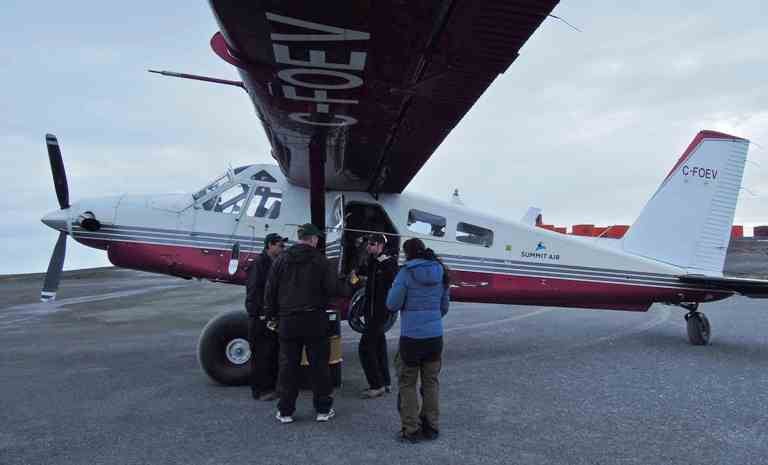
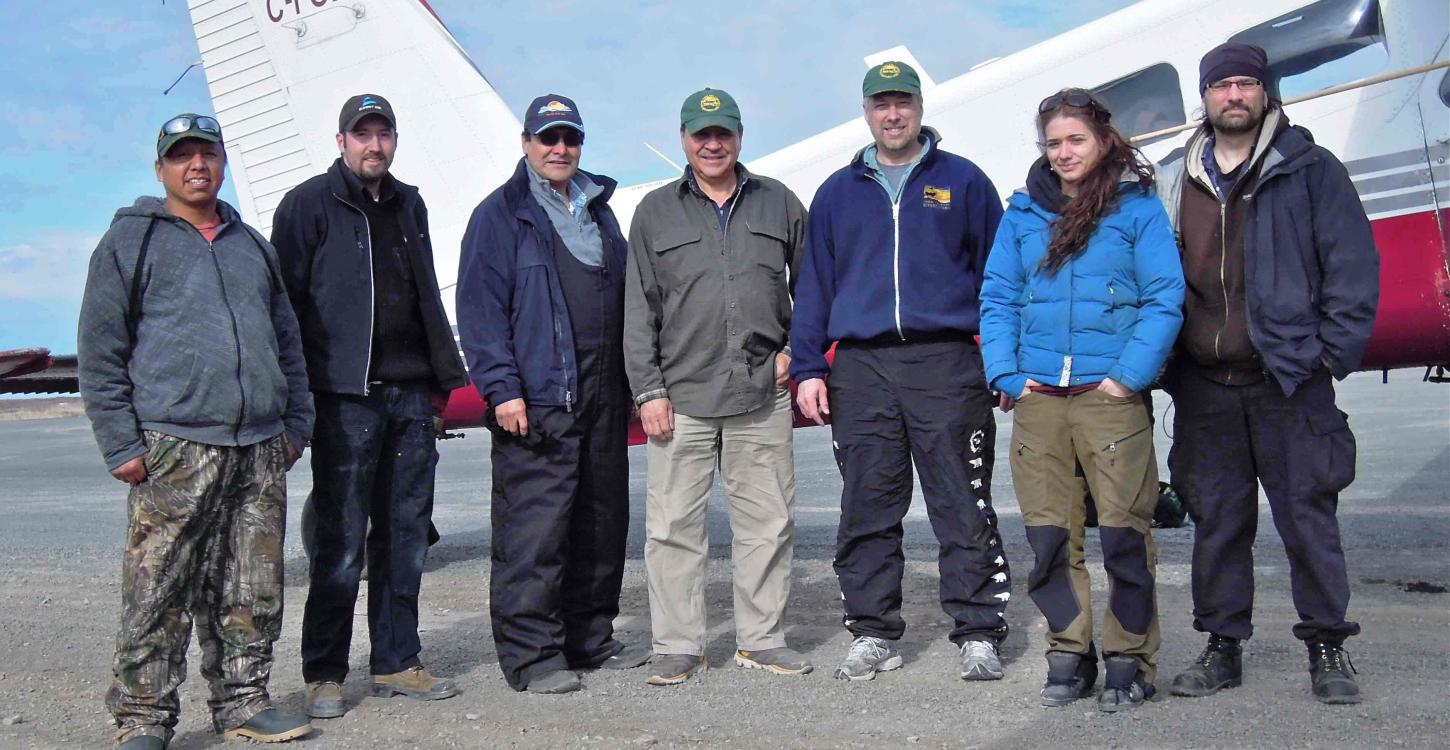
The 2014 Bluenose-East and Bathurst calving reconnaissance surveys were led by Dean Cluff (Regional Biologist, ENR-North Slave Region, GNWT, and a number of individuals from various agencies participated, including: Angus Charlo (Yellowknives Dene First Nation), Roy Judas (Tłı̨chǫ Government), Lisa-Marie LeClerc (Department of Environment-Kitikmeot Region, Government of Nunavut), George Mandeville (NWT Métis), and Boyan Tracz (Wek’èezhìı Renewable Resources Board). Adrian Rivard (Summit Air) piloted the Turbo Beaver used for the surveys - and along with the great weather and cooperation of all involved, the surveys were considered a success.
A sincere thanks from the WRRB staff to ENR for the opportunity to participate in the surveys. Also a thanks to participants for the great company during flights over some spectacular country.
You can view photos from the survey in the Photo Gallery at the end of this article.
Here's some information on the photos:
Photo 1: Small group of caribou on the Bluenose-East calving grounds (near the Rae and Richardson Rivers)
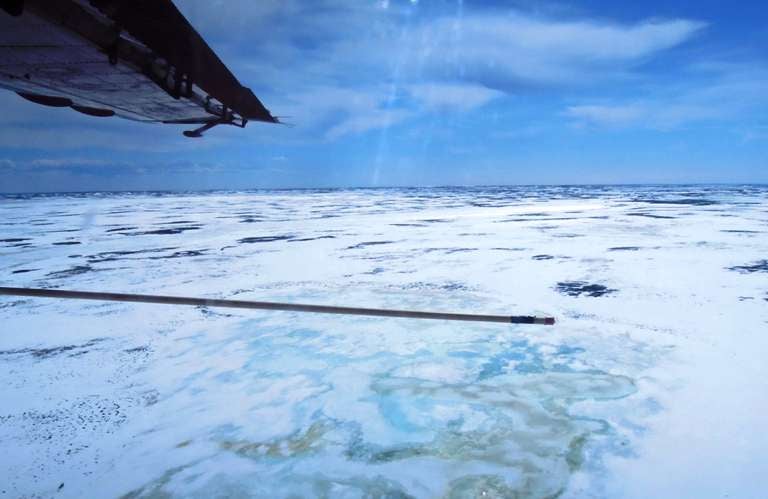
Photo 2: Snow in the sun southwest of Bluenose Lake
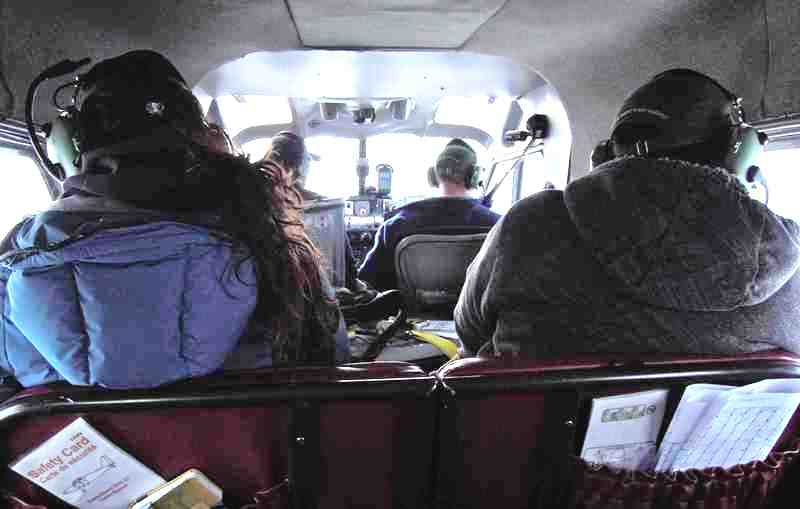
Photo 3: Survey crew at work on transect--recording caribou and other wildlife such as grizzly bears and wolves
Photo 4: Survey crew discussing survey plans at the closed Lupin Mine
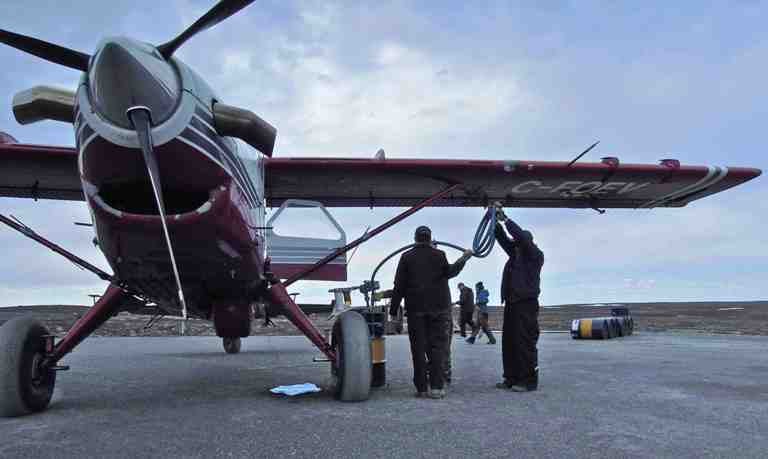
Photo 5: Re-fueling the Turbo Beaver at the closed Lupin Mine-before heading off to survey the core Bathurst calving grounds
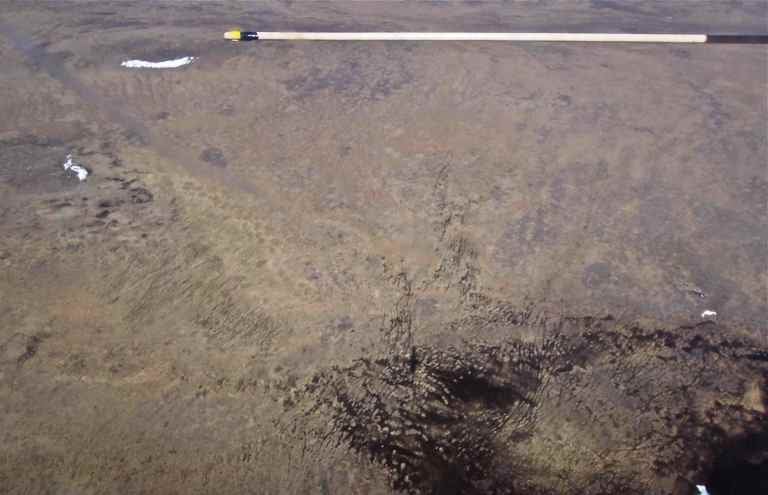
Photo 6: Barren-ground caribou trails on the tundra