Take a look at a map of the Tłįcho (Tlicho) region and you'll see a lot of blue. The rolling Canadian Shield country that is characteristic of the area holds countless lakes and rivers. Tłįcho have travelled these routes and fished these waters for generations. The waters and fish that inhabit them are a precious resource--one that Tłįcho communities want to keep watch over to make sure the fish are healthy and the water is clean.
The Wek’èezhìı Renewable Resources Board and the Tłįcho Government are working together to create and test a monitoring system that Tłįcho communities –and others—can use in future to track the health of the fish and waters to see whether there are any changes over time. They are developing sampling approaches using both Tłįcho and scientific knowledge. One lake near one community is studied each summer.
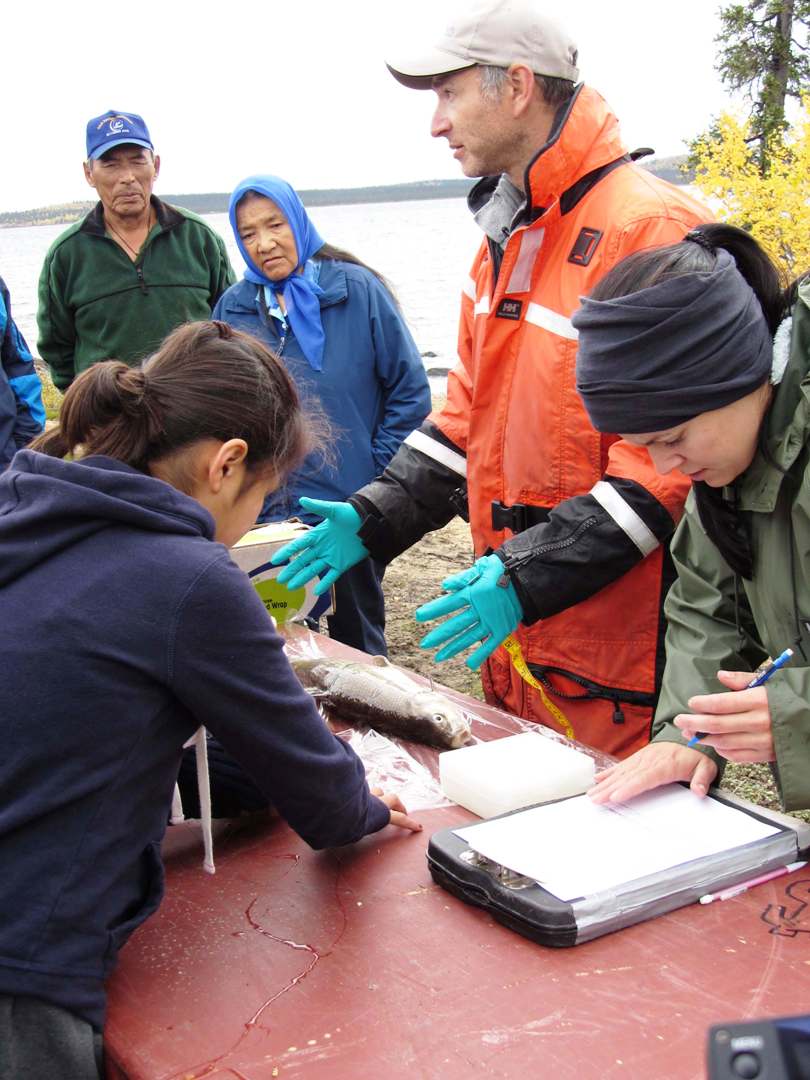
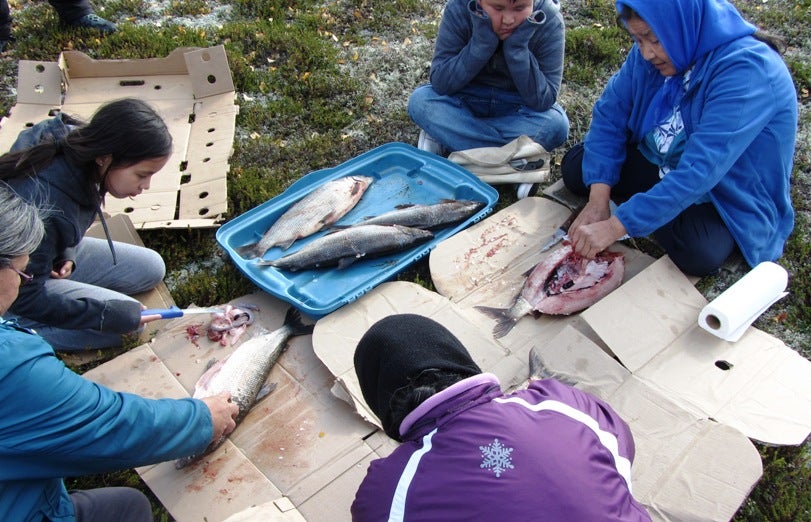
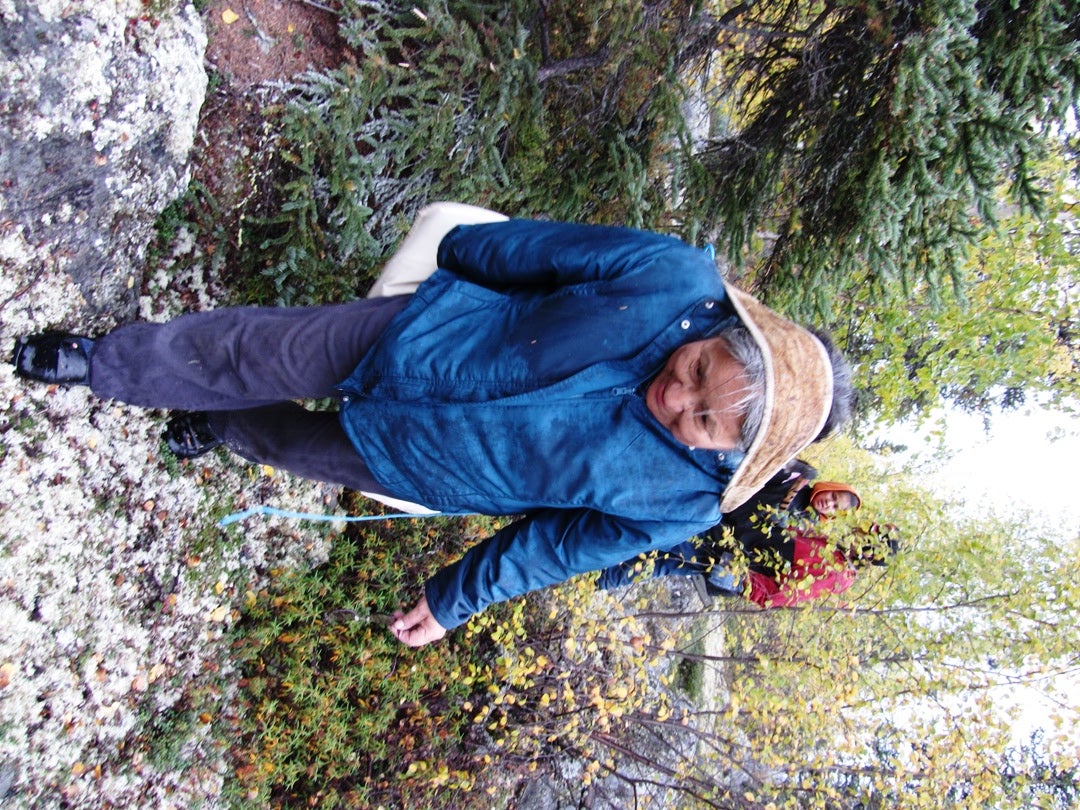
This September, the third year of the Tłįcho Aquatic Ecosystem Monitoring Project ran a fish camp off an island near Wekweètì. In the previous two years they were held in Marian and Russell Lakes near Behchokò. Tłįcho youth ,elders, traditional knowledge researchers and scientists worked together in the field to share knowledge and ways to assess the health of fish and their habitat. At the camp, the elders identify where to set the nets based on their knowledge and experience as fishers in the area and share their observations about the health of the fish sampled. In turn, the biologists show participants scientific fish-monitoring methods. They travel to the site to record traditional knowledge about the lake and changes the elders have seen in their lifetime as well as collect scientific measurements of lake depth, water quality, sediment quality and fish in the lake.
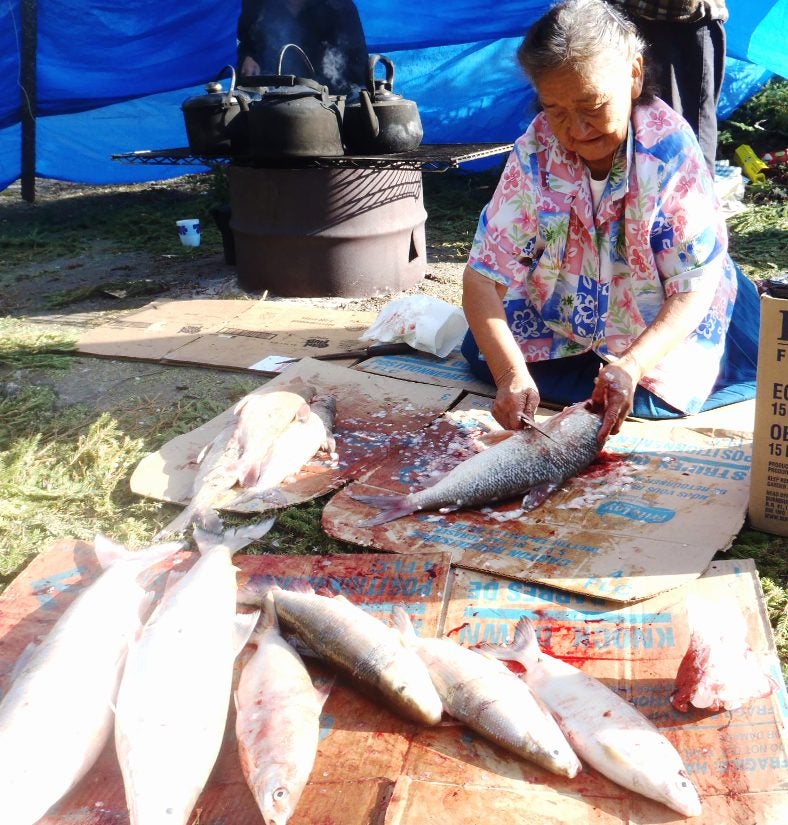
Members of the Tłįcho Community Action Research Team (CART) documented this year’s activities by videotaping activities and interviewing participants. Seven students ages 12 to 14 took part in this year’s camp and when they weren’t learning how to sample, prepare and cook the fish that were caught, they learned about the life cycle of fish and how much air a fish needs in its bladder to swim through hands-on conservation education activities.
The purpose of the project is to develop and implement a monitoring program that meets the needs of the Tłįcho communities in determining how and if fish health, water and sediment quality is changing over time and whether fish and water remain safe to consume
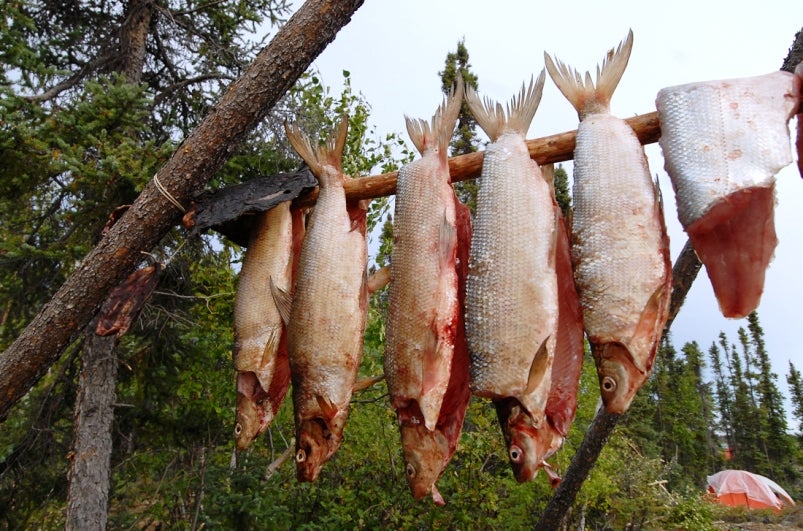
“When boiled, if the fish is not fat, the scales stick to the skin and it is not so healthy. If the scales puff up then it is healthy. Also whenever you cook a fish over the fire it won’t burn if it is healthy and fat.” – Harry Mantla
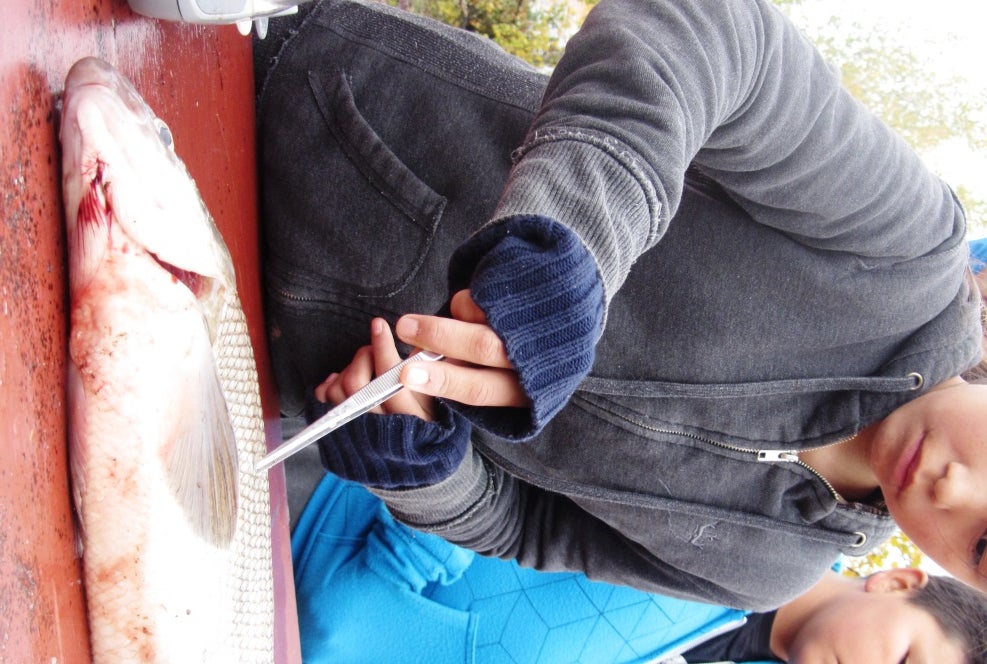
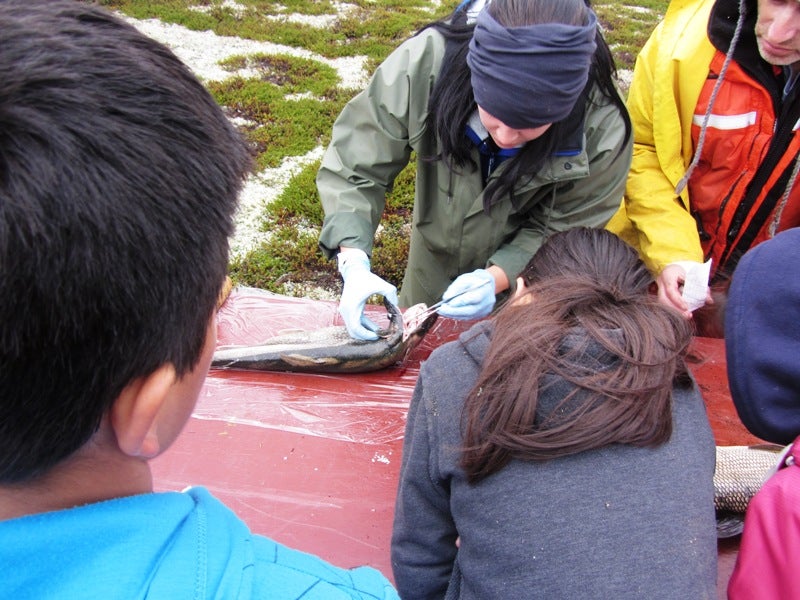
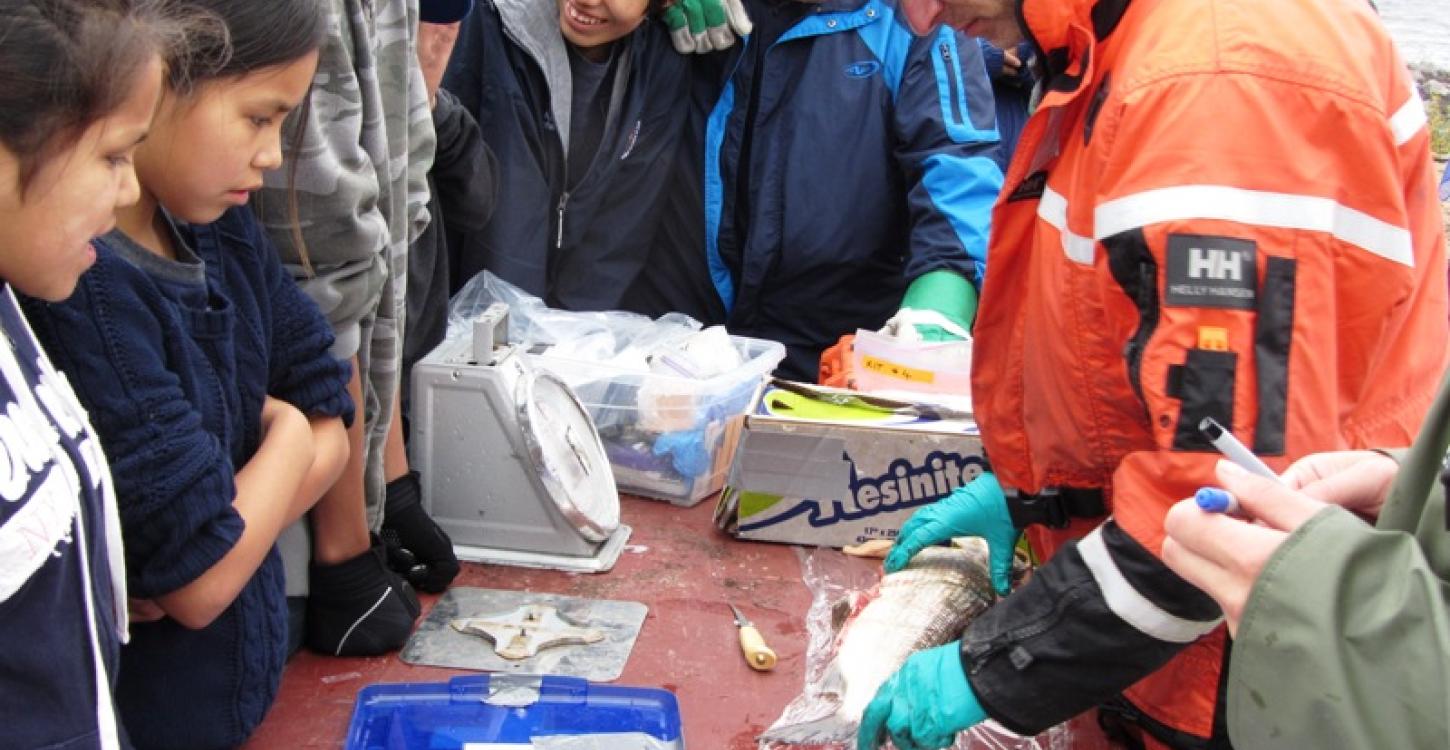
Biologists at the camp demonstrated how to determine the age and health of fish using scientific measures. They measured the length of each fish and weighed it. To figure out the fish’s age, they extracted a piece of bone called the otolith from behind the fish’s head. In much the same way a doctor will often look at a patient’s eyes as part of his or her assessment, biologists described the eyes and general appearance of the fish. Finally, they showed participants how to take a muscle sample to send out to a lab in Vancouver to analyze the tissue for metals.
Looking at the Health of Fish Habitat
“Snow water was traditionally used for cooking and making tea. It would be gathered by youth, tasted by elders and used to predict the future; if the water was tasty, it was said you would live long.” – Harry Apples
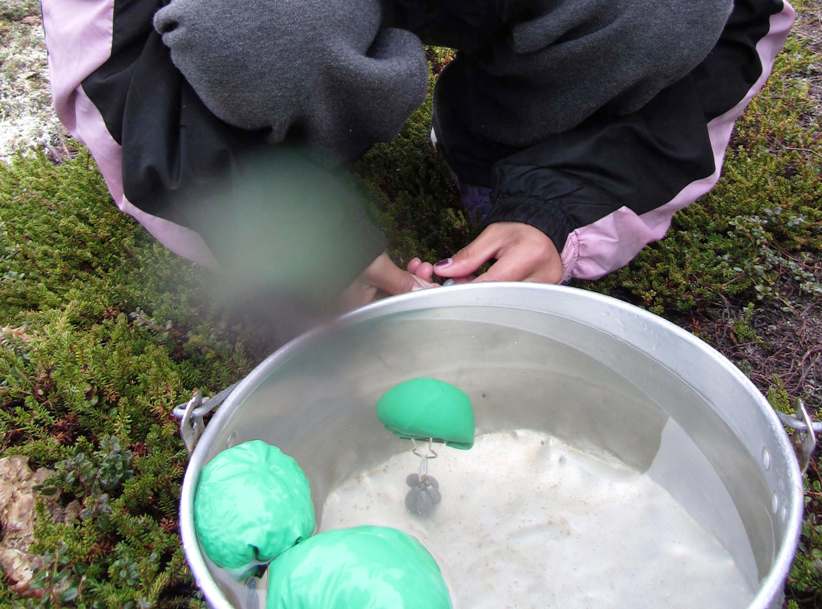
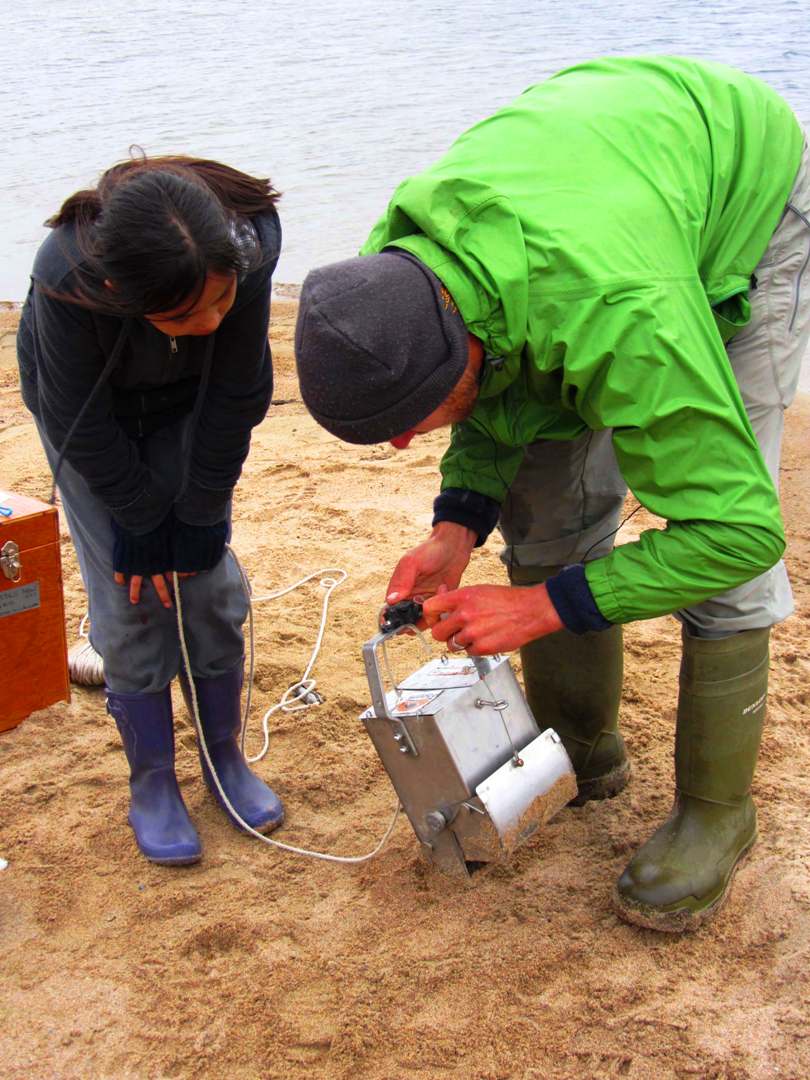
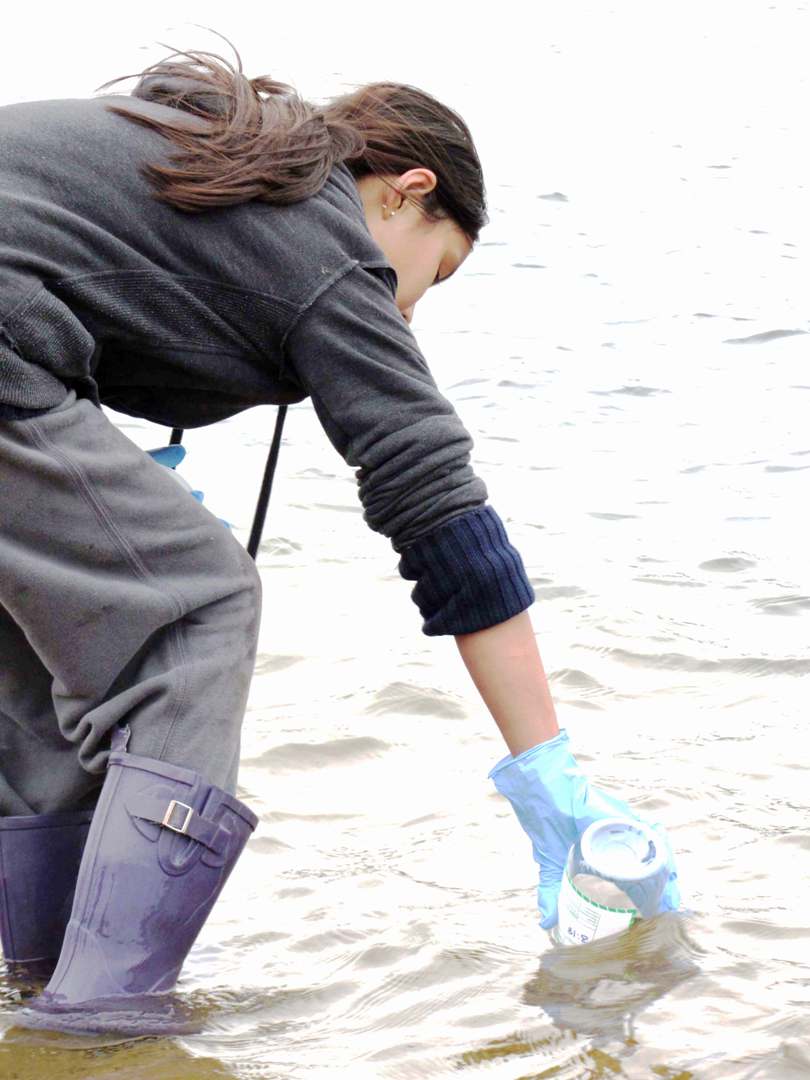
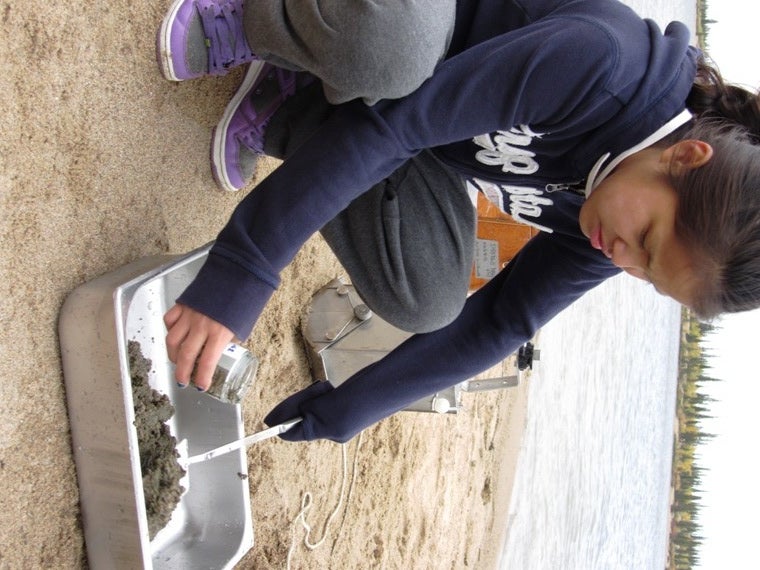
The biologists showed participants how to sample water to measure how cloudy the water was, the amount of solid matter suspended or dissolved in the water, the amount of oxygen dissolved in the water, nutrients and metals. They also took sediment samples to look for any trace metals. Each of these measures has a story to tell. For example, water temperature affects the health and survival of aquatic life. Significant changes in temperature can affect their ability to grow, reproduce, escape predators, and complete for habitat. Contaminants such as mercury can have long-term, chronic effects that may reduce growth rate or reproduction. Some contaminants can be detected in water; others, though, tend to stick to sediments found in the water or lake bottom. To get the most complete picture, participants sampled both the water and sediments for contaminants.
What did the results of the project tell us?
The samples have been sent out to labs for analysis and are not in yet for this year’s fish camp. But there is good news from the two previous years. Mercury levels in the Coney sampled from Marion Lake in the first year of the project were lower than Health Canada guidelines for commercial sales of fish for consumption. Other metals in the tissues were either extremely low or couldn’t be detected. Water and sediment samples in Russell Lake the following year showed elevated aluminum, but this is likely natural to the surrounding environment. Mercury levels were relatively low except in the very large and very old Walleye and Pike Whitefish fish caught in Russell Lake. All fish remain safe to eat.
Sidebar
The Tłįcho (Tlicho) Aquatic Ecosystem Monitoring Project began as a response to concerns that Tłįcho communities raised about fish health and water quality. A number of waterways are downstream from mines that used to be in operation or are operating now. The project was launched in 2010 to find out about the health of fish in Marian Lake and the North Arm of Great Slave Lake. It continued in 2011 on Russell Lake near Behchokò and this year in Wekweètì.
This work was done with support from
- CIMP - Cumulative Impact Monitoring Program
- AANDC - Northern Contaminants Program
- DFO – Department of Fisheries and Oceans
- GNWT
- AANDC - Water Resources
- Tłįcho Government - Community Justice Program
- AFSAR – Aboriginal Fund for Species at Risk
For more information on this project, see Final Report 2010, 2011
Check out our pocket-sized Fish Guide for photos and descriptions of common fish found in the Tłįcho region.
Thank you to our partners!
“Animals are generous; they give their life to us.We treat fish well so they will come to the next.” Harry Apples
Where do we go from here?
The exchange of information that is taking place in this project has enriched all participants’ knowledge and appreciation for the aquatic ecosystem. Learning about Tłįcho ways of assessing the health of the environment—alongside scientific ways—can only deepen our understanding of ecosystem change.
Communities can continue their environmental stewardship role with new tools to add to traditional Tłįcho ways of monitoring the aquatic ecosystems they rely on.