Dlı̨̀ą k'et'aa are rarely spotted in Wek’èezhìı, but they play an important role in keeping our ecosystems healthy. Five dlı̨̀ą k'et'aa species are known to occur in the Northwest Territories (NWT), but only two have been confirmed in Wek’èezhìı by the WRRB: the Little Brown Myotis, and the Hoary Bat.
Although sightings are uncommon, dlı̨̀ą k'et'aa contribute to healthy ecosystems in several ways; they support local biodiversity and help keep insect populations balanced, including mosquitoes and other insects; and they are natural insect controllers. All dlı̨̀ą k'et'aa in the NWT eat insects and can consume their own body weight in insects each night.
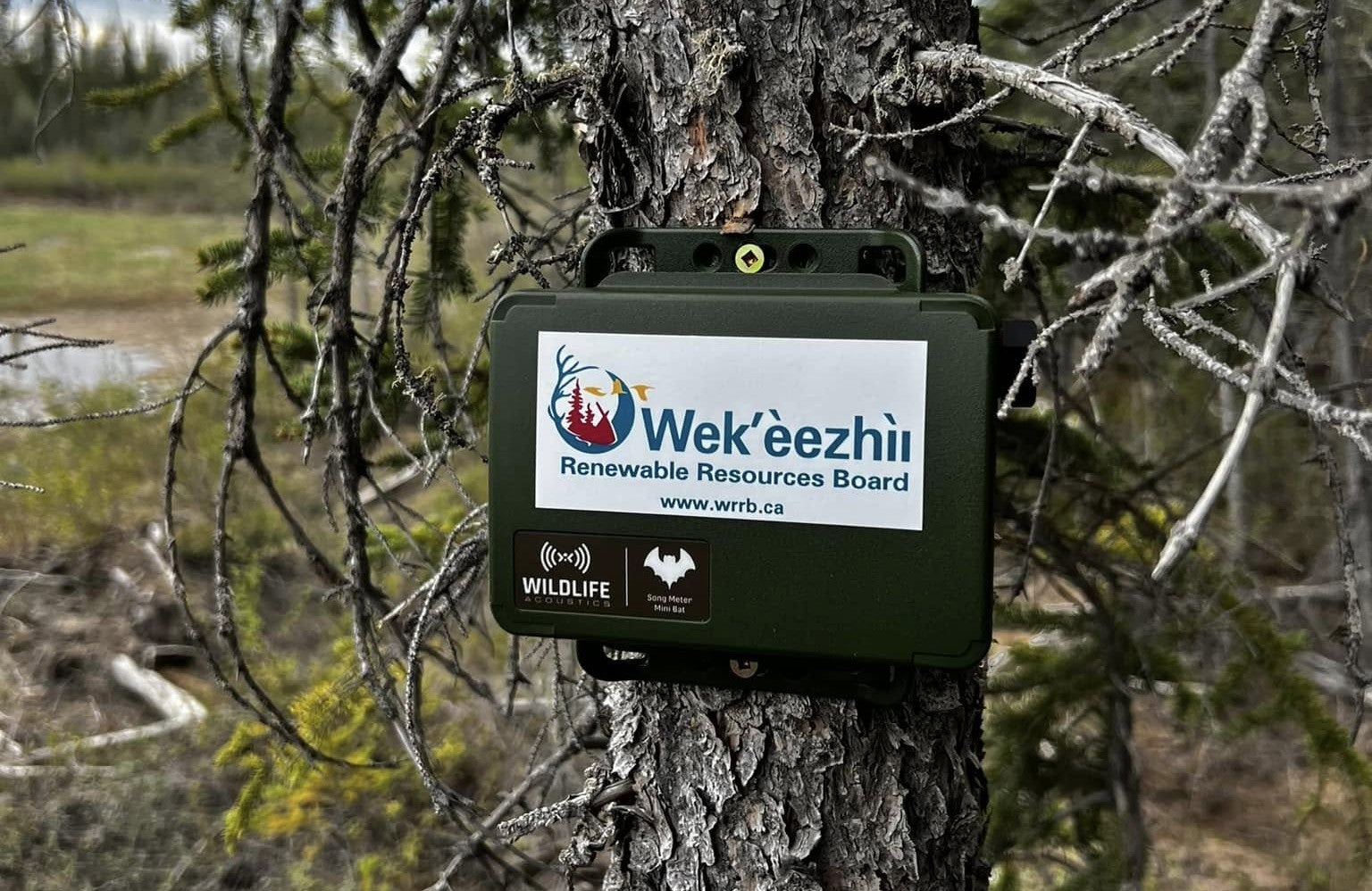
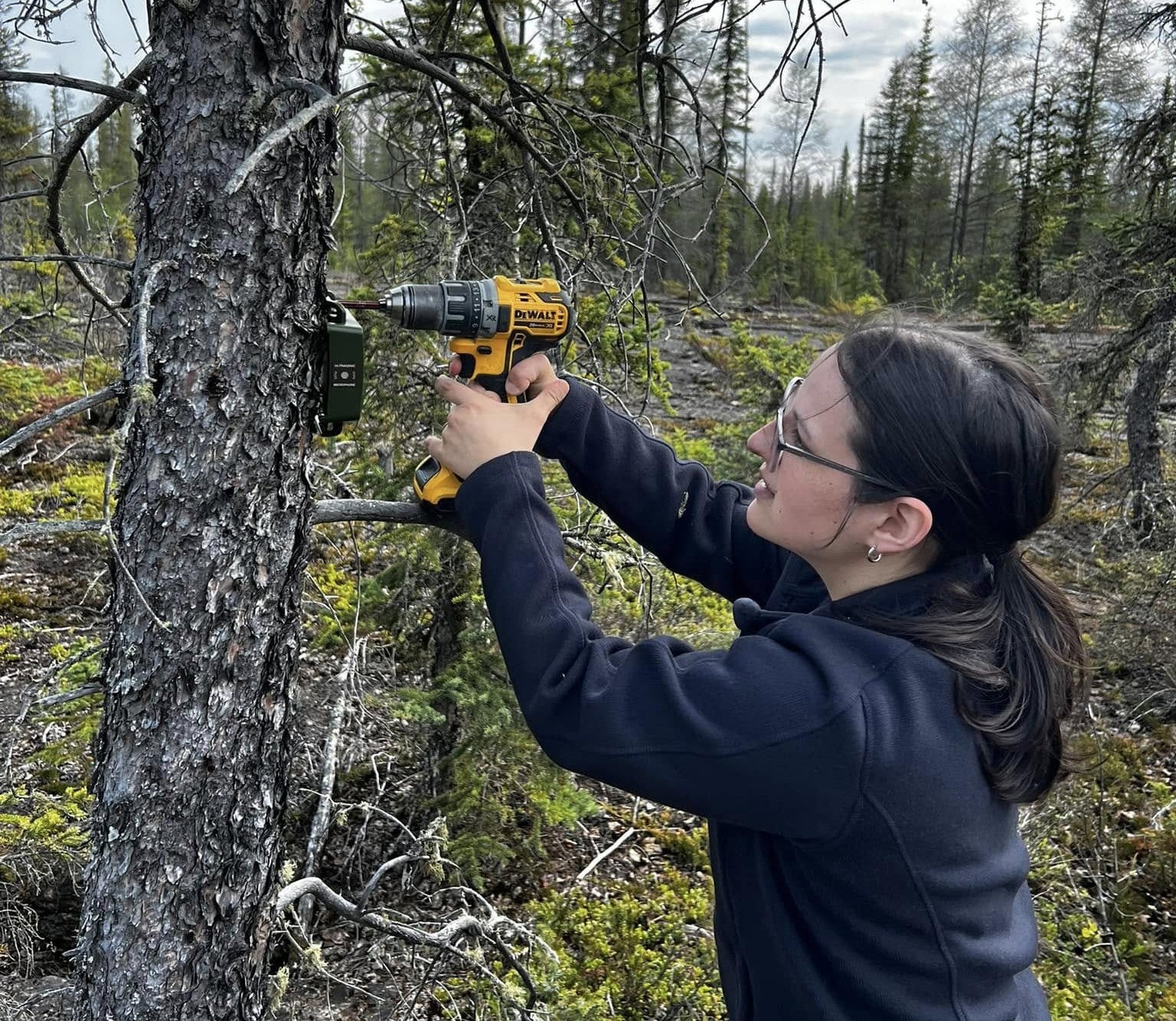
To learn more about these fascinating night flyers, the WRRB launched its dlı̨̀ą k'et'aa monitoring program along the Tłı̨chǫ Highway to Whatì in 2024. The program uses Mini Bat Song Meters, a type of Autonomous Recording Unit (ARU), to non-invasively monitor the presence of dlı̨̀ą k'et'aa. Eight ARUs are deployed, including two that are located on the study plots used by the Tłı̨chǫ Government for small mammal surveys in burned and reforested areas.
These recordings help confirm the presence of dlı̨̀ą k'et'aa in Wek’èezhìı and provide valuable information about which species are using the area and when they are active. This work is conducted under the active Wildlife Research Permit held by the Department of Environment and Climate Change (ECC), GNWT, and the data collected are shared with the Tłı̨chǫ Government and ECC. The WRRB’s ongoing monitoring of dlı̨̀ą k'et'aa along the Tłı̨chǫ Highway also contributes to the NWT Bat Monitoring Program.
In 2024, the WRRB’s monitoring program detected a Hoary Bat near James River and a Myotis Bat near the Duport River. While the Myotis could not be identified to species, it was likely a Little Brown Myotis.
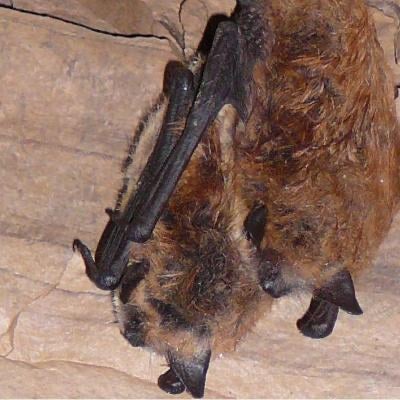
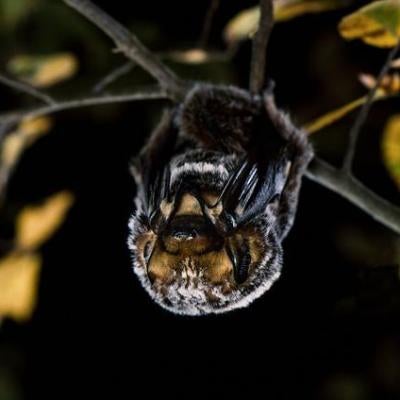
(Photo credit: Little Brown Myotis - photo from NWT Species at Risk – Little Brown Myotis; Hoary Bat - photo from NWT Species at Risk – Hoary Bat)
Curious what the dlı̨̀ą k'et'aa sound like? Listen to the recordings captured by our ARUs:
White-nose syndrome:
White-nose syndrome (WNS) has not been detected in Wek’èezhìı. However, during routine monitoring in July 2026, ECC confirmed the first case of WNS in the NWT after a northern myotis tested positive. While the disease has not been detected in Wek’èezhìı, the confirmation highlights the importance of monitoring and conserving healthy dlı̨̀ą k'et'aa populations across the NWT.
Report all dlı̨̀ą k'et'aa sightings. Do not handle it, take a photo if you can, and report your observation to wildlifeobs@gov.nt.ca.
External Dlı̨̀ą K'et'aa Information:
NWT Species at Risk – Little Brown Myotis
NWT Species at Risk – Hoary Bat)
| Attachment | Size |
|---|---|
| Brochure - Bats of the Northwest Territories | 1.01 MB |
| Fact sheet - White-nose syndrome | 697.82 KB |