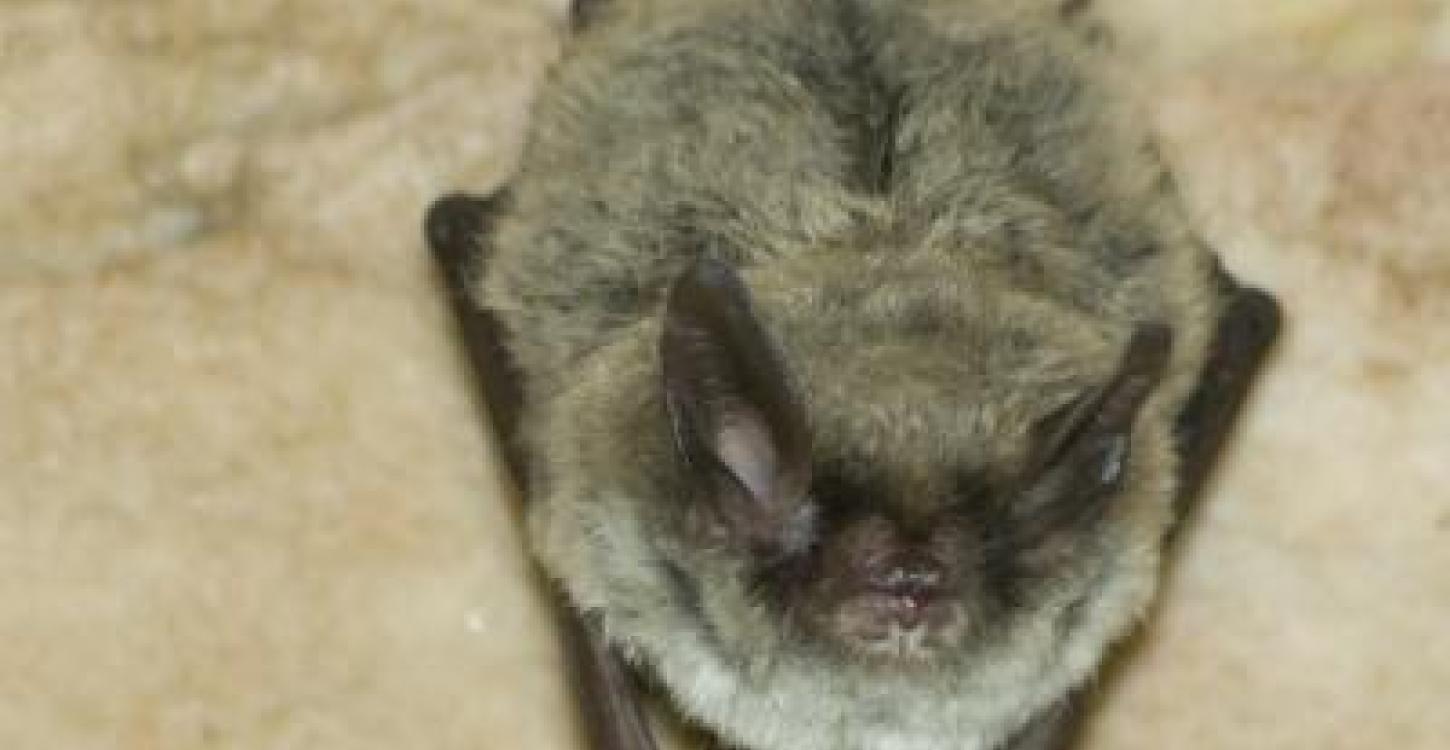
White-nose syndrome (WNS) is a disease that affects hibernating dlı̨̀ą k'et'aa (bats/bat). WNS has been confirmed in the Northwest Territories for the first time – detected in a northern myotis near Fort Smith during routine monitoring in May 2026.
Dlı̨̀ą k'et'aa are important to ecosystems in the Northwest Territories and Wek'èezhìı. They contribute to local biodiversity and help keep mosquito and other insect populations under control. In some areas, dlı̨̀ą k'et'aa populations have declined by more than 90 percent due to WNS.
The disease is not a risk to people and is not known to affect other wildlife. Although WNS was first detected in the southern Northwest Territories, it could affect dlı̨̀ą k'et'aa populations across the territory, including Wek'èezhìı. The little brown myotis and northern myotis are particularly vulnerable to WNS and are both listed as species of Special Concern in the NWT.
The WRRB will continue its Dlı̨̀ą k'et'aa Monitoring project in Wek'èezhìı using Autonomous Recording Units (ARUs). The data collected through this work contributes to ongoing monitoring efforts across the Northwest Territories.
How you can help:
Community members can help support dlı̨̀ą k'et'aa monitoring by reporting observations, suspected roost sites, and submitting guano samples for testing. If you find a dead dlı̨̀ą k'et'aa or observe unusual behaviour, please report your observation to your local or regional Department of Environment and Climate Change office or WildlifeObs@gov.nt.ca. Do not handle dlı̨̀ą k'et'aa.